TPS in the United States: how to apply for the first time and how to renew your permit (I-821 and I-765)
Temporary Protected Status (TPS) is a temporary immigration benefit that the United States government grants to people from certain countries when returning home is not safe. It is not a green card and does not by itself lead to lawful permanent residence, but while it is in effect it protects you from removal, allows you to work legally, and may give you access to travel authorization. Here we explain, using official USCIS information, how to apply for the first time and how to keep your TPS current.
Step 1: Confirm that your country has a current designation
TPS is not decided by the applicant: it is designated by the Secretary of the Department of Homeland Security (DHS), country by country, when there is an ongoing armed conflict, an environmental disaster such as an earthquake or hurricane, an epidemic, or other extraordinary and temporary conditions. Every designation —and every extension, redesignation, or termination— is announced in a Federal Register notice and carries its own dates. The reliable way to know whether your country is designated and which dates apply is to go to uscis.gov/tps and open your country's specific page: it lists the current registration period and the residence and physical-presence dates you must meet.
Step 2: Check that you meet the requirements
To be approved for TPS you must be a national of a designated country (or a person without nationality who last habitually resided in that country), have been continuously physically present in the United States since the effective date of the most recent designation, and have continuously resided in the country since the date USCIS specifies for your country. You must also file during the open registration period. You are not eligible if you have been convicted of a felony or of two or more misdemeanors committed in the United States, or if certain non-waivable grounds of inadmissibility or the bars related to persecution or terrorism apply to you. If a waivable ground of inadmissibility applies, you may request a waiver with Form I-601 as part of the same package.
Step 3: Register for the first time with Form I-821
Initial registration is filed with Form I-821, Application for Temporary Protected Status, which you may submit online or by mail during your country's registration period. Include the evidence USCIS requires: proof of identity and nationality (a passport, a birth certificate accompanied by photo identification, or a national identity document bearing your photograph or fingerprint), proof of your date of entry (a passport or the I-94 arrival/departure record), and proof of continuous residence (rent receipts, utility bills, employment records, school or medical records, or letters from churches or organizations). Any document in Spanish or another language must come with a full English translation and the translator's certification. The initial Form I-821 carries a filing fee: $520 under the schedule in effect since October 16, 2026; if you cannot afford it, include a fee waiver request on Form I-912. Applicants age 14 or older will be scheduled for biometrics (fingerprints and photograph). Sign your application and pay the correct amount: according to USCIS, those are the two most common mistakes that cause rejections.
Step 4: Request your work permit with Form I-765
The work permit (EAD) is requested with Form I-765. You may file it together with Form I-821 —USCIS notes that doing so may help you receive your EAD more promptly if you are eligible— or separately at a later date, while your TPS is in effect. The first work permit under TPS carries a fee set by law that is adjusted every year, so confirm the current amount at uscis.gov before filing. Also keep in mind that, in some Federal Register notices, DHS automatically extends the validity of certain previously issued work permits: check your country's notice to see whether your card remains valid even if its printed expiration date has passed.
Step 5: Re-register during every window so you do not lose TPS
TPS is kept by re-registering. Each time DHS extends your country's designation, the Federal Register notice opens a re-registration period with exact dates, and you must file Form I-821 within that period. According to USCIS, the re-registration Form I-821 has no form fee; if you also renew your work permit, you will need to pay the applicable Form I-765 fee. Keep the receipt notice for every filing and put the dates on a calendar: if you fail to re-register on time without good cause, USCIS may withdraw your TPS. And remember that having TPS does not prevent you from applying for asylum or any other immigration benefit you may qualify for; nor does the outcome of another application, by itself, take away your ability to register.
Beware of scams and "notarios"
In the United States, a "notario" is not a lawyer and is not authorized to give immigration advice. USCIS will never ask you for payments by phone or email, or with gift cards or wire transfers. Download forms only from uscis.gov —they are free— and mail your package only to the address shown on your country's official page. If you need help, look for nonprofit organizations with representatives accredited by the Department of Justice, which provide guidance for free or at low cost. Be wary of anyone who guarantees approval or asks you to hide information: a false statement on your application can cost you the benefit and your immigration future.
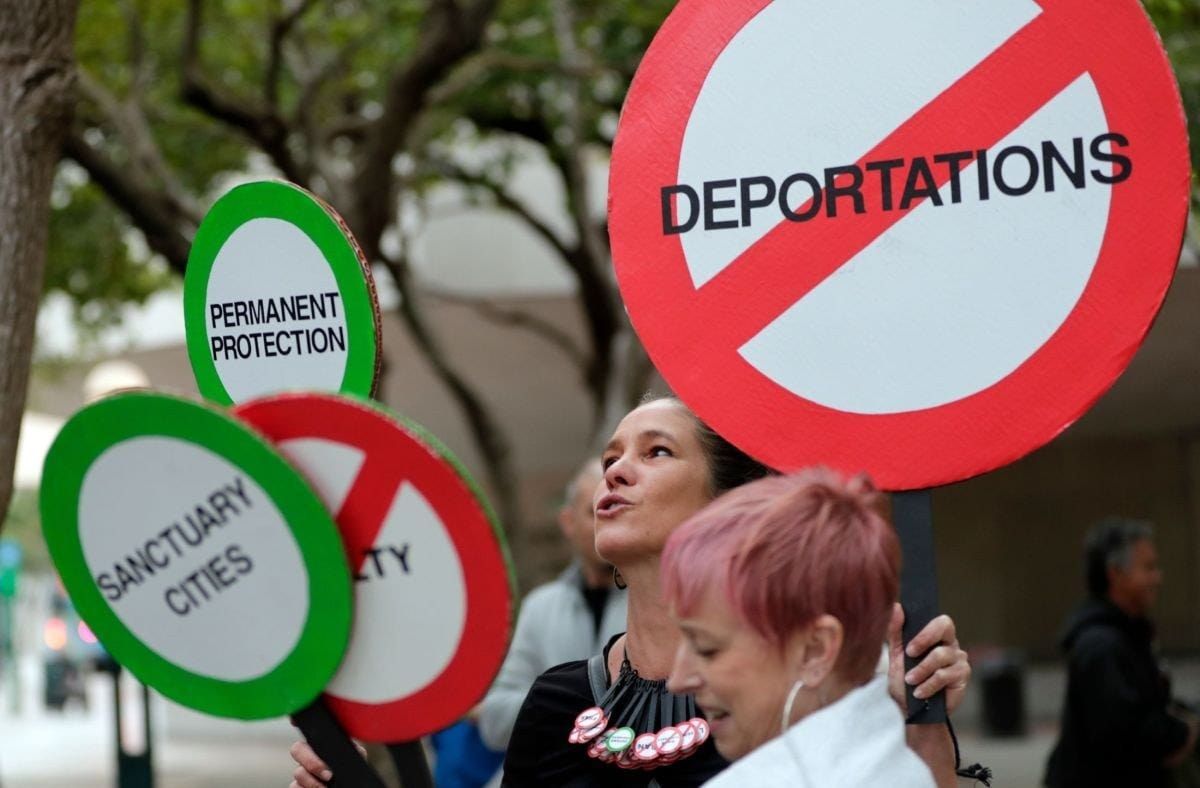
Photo: Archivo A Lo Claro
Source: USCIS (uscis.gov), the Temporary Protected Status (TPS) page and the uscis.gov/tps portal, consulted in October 2026.