El Salvador deploys 100 elite troops in Haiti to rescue the four kidnapped soldiers
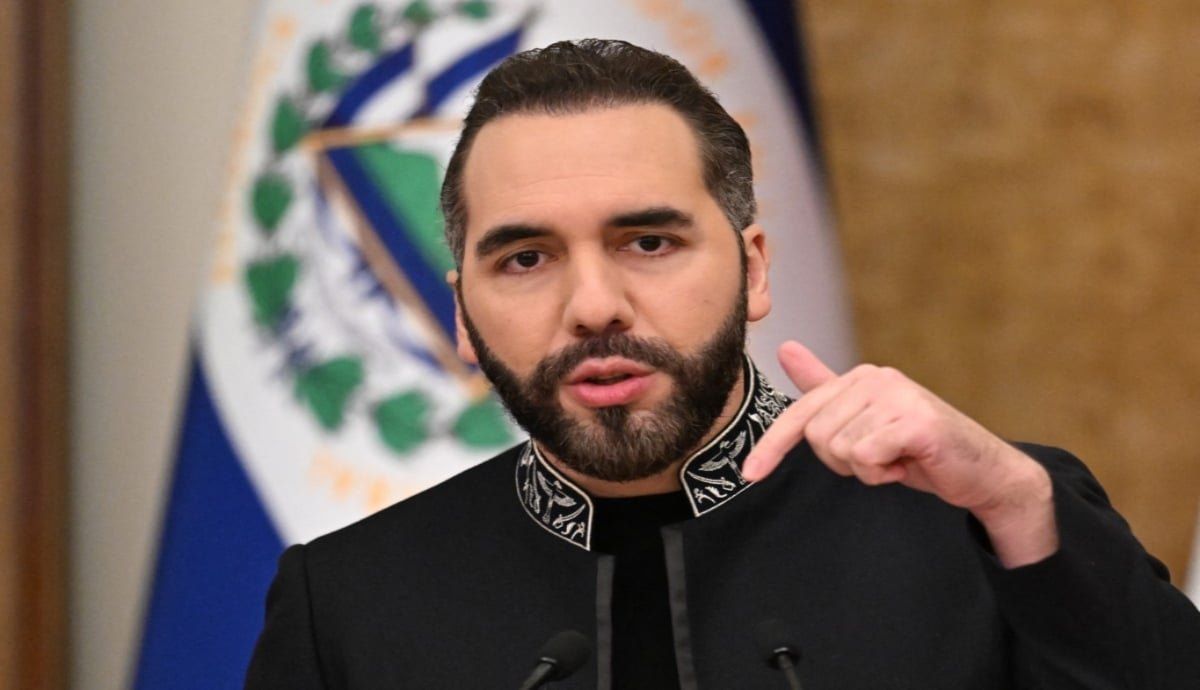
Port-au-Prince — El Salvador has deployed one hundred special-forces troops in Haiti to rescue four Salvadoran soldiers kidnapped last Sunday by gangs, in what is already the largest military rescue operation of the Haitian crisis.
By this Friday, at least six aircraft —three Salvadoran and three American— had landed in the Haitian capital carrying the elite troops of the Armed Forces of El Salvador to carry out search-and-rescue operations, El País América reported, based on AP and Miami Herald reporting.
The four soldiers are part of the Gang Suppression Force (GSF), the multinational mission authorized by the UN Security Council in September 2025, and were kidnapped Sunday at noon while buying food in the Santos neighborhood of the capital, according to the official version. The gang members burned the armored vehicle they were traveling in.
President Nayib Bukele sent a message in Haitian Creole to gang leaders on Wednesday: "Today's attack [Sunday's] is nothing compared to what is coming if you do not free the four hostages alive." At least two gang leaders responded with videos on social media challenging him.
On Friday, Bukele responded on his X account to criticism of the operation, saying he will not change his stance: "We already finished off the gangs in El Salvador, and we can finish off you too," he wrote, addressing the gang bosses.
Experts warn that the assault on the gangs —which control nearly 80% of the Haitian capital— could bring grave humanitarian consequences and human-rights violations against civilians. The UN says that between July and September alone, more than 1,000 people were killed and more than 100 kidnapped in Haiti.
This story follows up on A Lo Claro's earlier report on Bukele's trip to Washington over the four Salvadorans held in Haiti.
Photo: AFP
Source: El País América