United States: two judges order use of contingency fund to keep SNAP payments in November
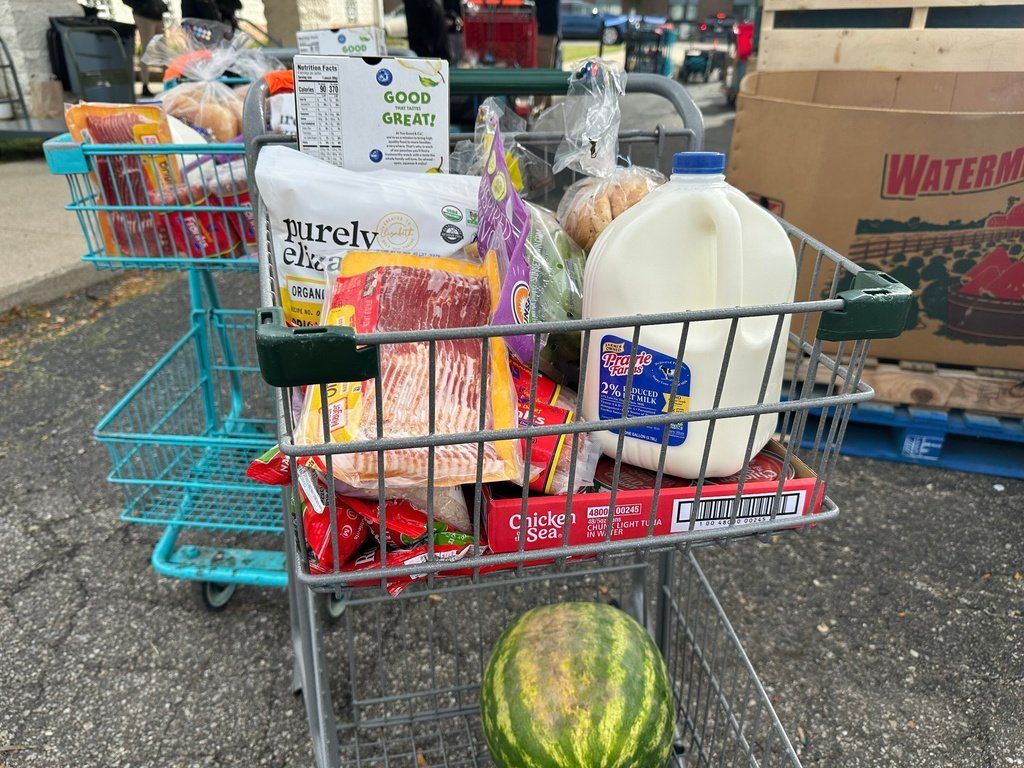
Washington — Two federal judges ruled on Saturday, October 31, that the administration of President Donald Trump is legally required to use the U.S. Department of Agriculture (USDA) contingency fund to maintain at least partial payments under the Supplemental Nutrition Assistance Program (SNAP), a judicial turn following this newspaper's report yesterday on the risk that November benefits would not be paid.
In Boston, a federal judge found that the administration's refusal to use the contingency fund was "contrary to law" and called its argument that the fund could not be used during the government shutdown "erroneous." The judge gave the USDA until Monday, November 3, to present a plan to issue at least partial payments to recipients, according to the National Low Income Housing Coalition (NLIHC).
In a separate ruling later the same Saturday, a federal judge in Rhode Island granted a temporary restraining order requiring the administration to make at least partial payments. That judge gave the government until the end of November 3 to make full payments, or until November 5 to come up with a workable way of administering partial benefits.
SNAP provides food assistance to about 42 million low-income people, roughly one in eight Americans, mostly families with children, people with disabilities, older adults, caregivers, students and low-wage workers, according to the NLIHC. The contingency fund holds roughly $4.6 billion, while a full month of SNAP costs between $8.5 and $9 billion, so the payments achievable would be partial.
The federal government shutdown reached its 34th day on Saturday and is on track to surpass the current 35-day record, with Congress having passed neither fiscal year 2026 funding bills nor a continuing resolution. The NLIHC also warned that energy assistance for low-income households (LIHEAP), which serves 6.2 million households, remains stuck because of staffing gaps at the Department of Health during the shutdown.
Photo: AP