Dominican Republic’s foreign minister explains why the country does not join military operations in Haiti
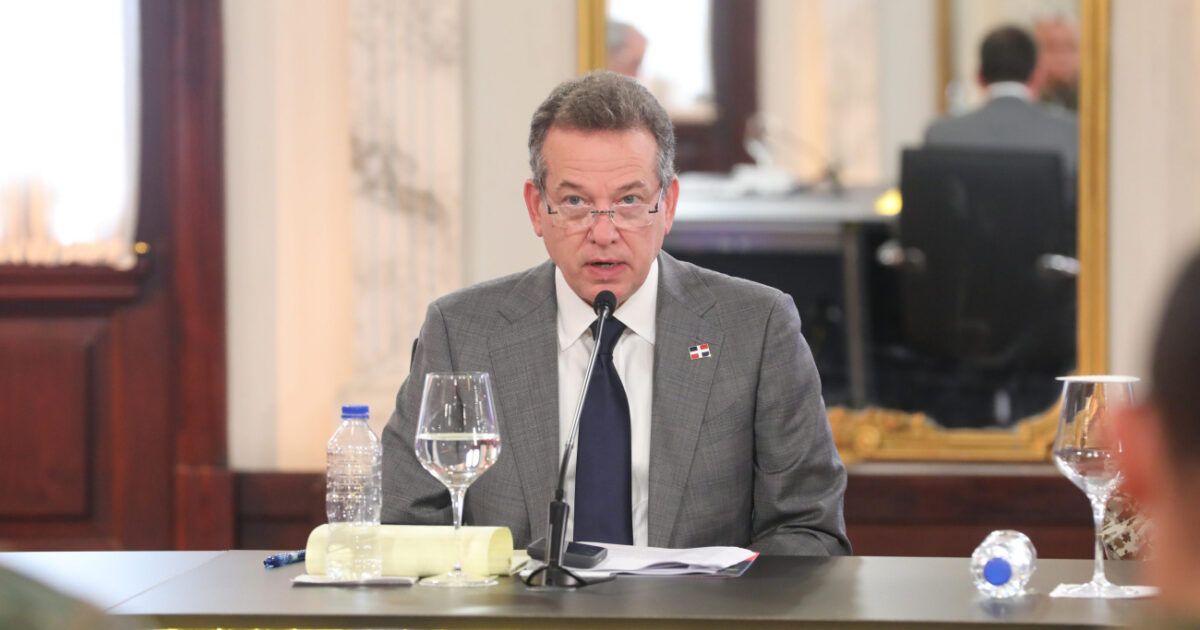
Santo Domingo — Foreign Minister Víctor “Ito” Bisonó explained on Monday, October 26, why the Dominican Republic does not take part directly in military operations against criminal gangs in Haiti, amid the security crisis affecting the neighboring country.
According to the foreign minister, the decision follows the principles of impartiality, consent of the parties and restrictions on the use of force that govern United Nations international peace missions. Bisonó warned that the historical background between the two countries could raise questions about the neutrality of a Dominican military intervention, in addition to risks of direct involvement in the conflict, legitimacy problems and a possible regional escalation.
Instead, the Dominican government has focused its cooperation on diplomatic, humanitarian and logistical support for multilateral initiatives. Among those measures, the Dominican Republic facilitates the transit and deployment of international contingents that need to enter Haiti through its territory, given the difficulties of access through Haitian ports and airports.
The support also includes assistance for medical evacuations of civilian and military personnel, authorization of humanitarian air operations and the transit of blood shipments and other supplies, as well as the transfer of military equipment and cargo destined for the international mission, without this implying direct participation by Dominican forces in combat against Haitian criminal organizations.
Referring to the Gang Suppression Force (GSF), Bisonó explained that it is a multinational mission with police, military and civilian components, authorized by the Haitian government and backed by the United Nations. The mission currently has about 2,181 international personnel deployed in Haiti, with participation from Bangladesh, Chad, Jamaica, Guatemala, Mongolia, Sri Lanka and El Salvador, and could grow to about 5,500 members over the next three months.
The foreign minister’s remarks came the same day President Luis Abinader said the government remains in permanent session and reinforced security on the southern border with two additional battalions, heavy equipment and artillery, amid the situation in Haiti and the search for the four missing Salvadoran military technicians.
Photo: DiarioDigitalRD
Source: DiarioDigitalRD