Flu already growing in 46 U.S. states, CDC estimates show, urging vaccination before the winter peak
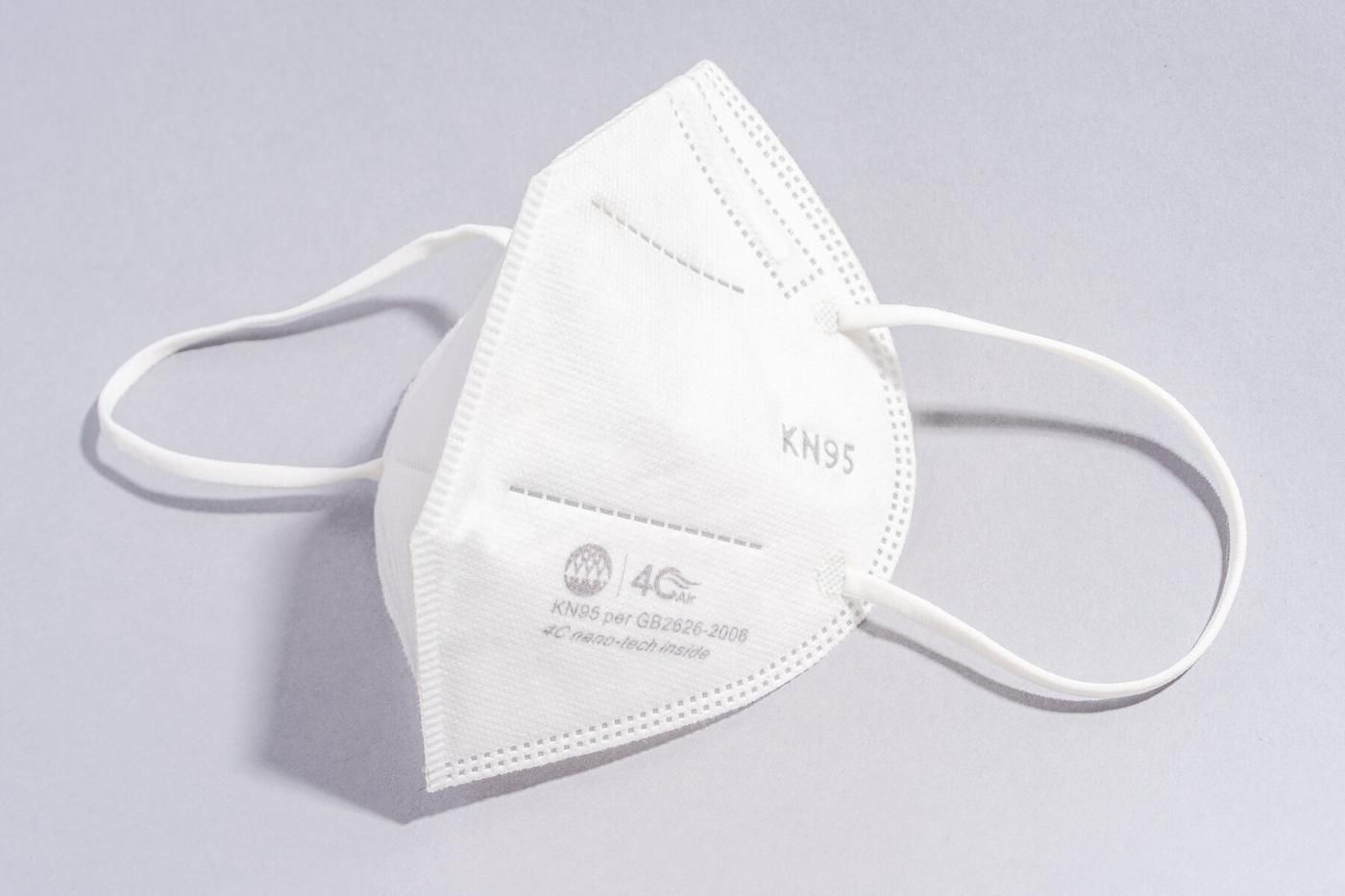
Atlanta — Flu infections are already growing or likely growing in 46 U.S. states, according to the Centers for Disease Control and Prevention (CDC) epidemic trend estimates with data as of October 14, an early sign that the 2026-2027 respiratory season is starting strong across much of the country.
The same CDC estimates place COVID-19 in the growing or likely growing category in 11 states. The CDC notes that these labels describe direction, not disease burden: a state can be listed as "growing" from very low levels, and that does not mean the season will be more severe.
In fact, overall activity remains low. In its FluView report for the week ending October 10, the CDC said flu activity is increasing in many parts of the country but remains low: surveillance sites logged 256 laboratory-confirmed flu hospitalizations that week, and influenza A accounted for 292 of the 300 positive specimens reported by public health laboratories, mostly the H1N1 subtype. The West is running hottest, with about 9.5% flu test positivity in the region covering Arizona, California, Hawaii and Nevada.
The CDC's outlook, updated October 16, expects peak hospitalizations from COVID-19, flu and respiratory syncytial virus (RSV) to be similar to last season's. Last season ended with 198 reported pediatric flu deaths, a reminder that even a typical season causes serious harm to children.
To catch peaks sooner, the CDC launched a new interactive tracking site in early October showing trends by state and health service area. According to the agency, its estimates can identify peaks two to three weeks earlier at the state level and up to a week and a half earlier at the community level.
The CDC recommends a yearly flu vaccine for adults, ideally before the end of October, since protection takes about two weeks to build. For children, flu vaccination has been a shared decision between families and their clinician since January 2026. Young children, older adults, and people with chronic conditions or weakened immune systems face the highest risk of severe illness.
Photo: A Lo Claro Archive
Source: Medical Daily / CDC